The Ultimate Guide to Inlay and Onlay Fillings
Discover the benefits of Inlay and Onlay fillings for durable, aesthetic tooth restoration. Learn about the procedure, materials, and why they're a superior choice for moderate to large cavities.
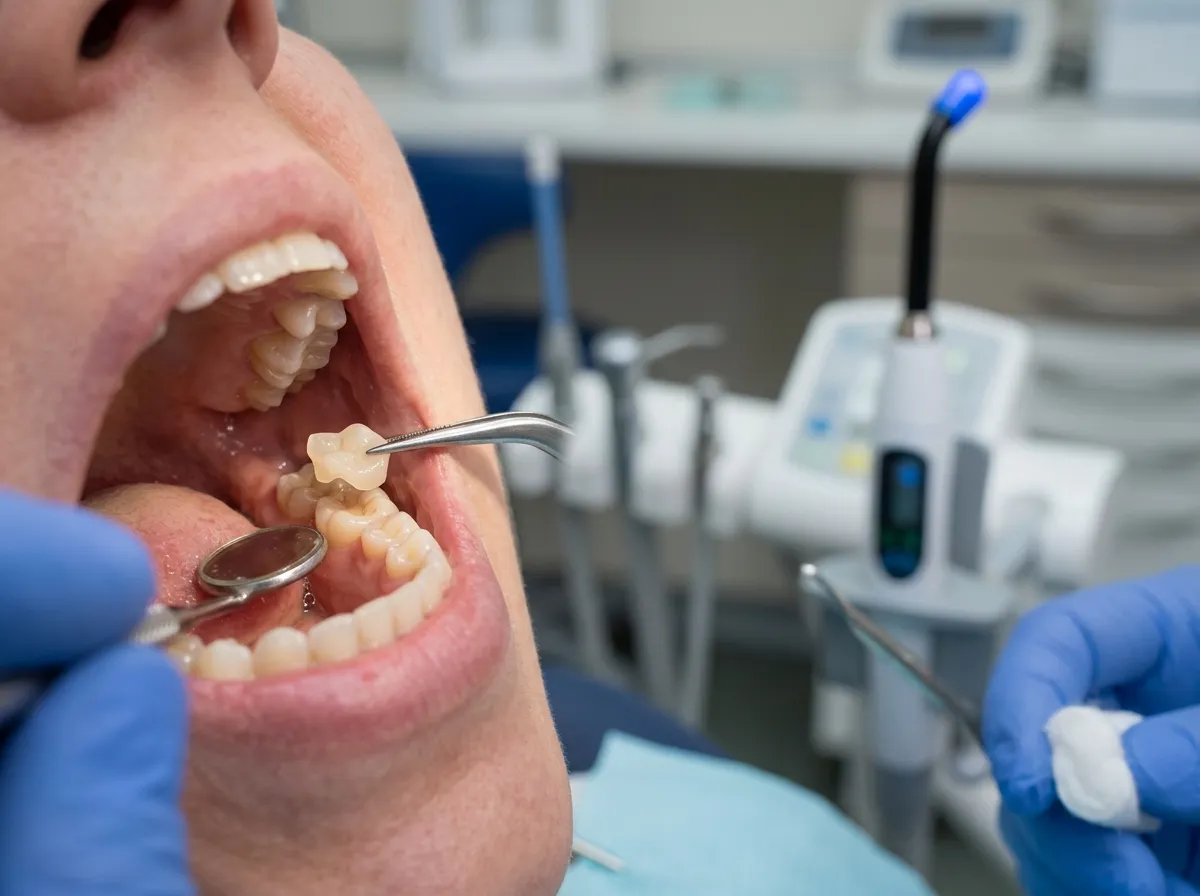
When it comes to restoring teeth affected by decay or damage, traditional fillings are often the first solution that comes to mind. However, for more extensive damage that doesn't quite warrant a full crown, there's a highly effective and aesthetically pleasing alternative: Inlay and Onlay fillings. These indirect restorations offer a durable, long-lasting solution, bridging the gap between simple fillings and full tooth coverage.
What Are Inlay and Onlay Fillings?
Inlays and Onlays are custom-made restorations used to repair teeth with moderate to severe decay or damage that is too extensive for a traditional filling but not severe enough to require a full dental crown. They are fabricated in a dental laboratory from an impression of your tooth and then bonded into place by your dentist.
Inlay Fillings
- An Inlay is designed to fit within the cusps (the raised points) of the tooth's chewing surface.
- It's used when the damage or decay is confined to the central part of the tooth, between the cusps.
- Inlays are an excellent choice for restoring strength and integrity to a tooth without covering its entire surface.
Onlay Fillings
- An Onlay is more extensive than an inlay, as it not only covers the area between the cusps but also extends over one or more of the cusps of the tooth.
- Sometimes referred to as a "partial crown," an onlay is used when the damage is more significant, potentially affecting the cusps, but a full crown is still not necessary.
- Onlays are particularly effective in reinforcing weakened cusps, preventing further fracture.
Why Choose Inlays and Onlays? Benefits You Can't Ignore
Opting for an Inlay or Onlay offers several significant advantages over traditional fillings and even full crowns in certain situations:
- Superior Durability and Longevity: Made from strong materials like porcelain or composite resin, Inlays and Onlays are highly resistant to chewing forces and can last significantly longer than conventional fillings, often 10-30 years with proper care.
- Preservation of Tooth Structure: Unlike crowns which require significant removal of healthy tooth material, Inlays and Onlays allow for a more conservative approach, preserving as much natural tooth structure as possible.
- Exceptional Strength: They strengthen the compromised tooth, unlike traditional fillings which can sometimes weaken the tooth structure over time, especially in larger cavities.
- Aesthetic Appeal: Custom-made to match the natural color of your teeth, Inlays and Onlays are virtually undetectable, providing a seamless and beautiful restoration.
- Precise Fit: Because they are custom-fabricated in a lab, Inlays and Onlays offer a superior fit, minimizing gaps where bacteria could accumulate and cause secondary decay.
- Stain Resistance: Porcelain and composite onlays are less likely to stain compared to traditional composite fillings.
The Inlay and Onlay Procedure: What to Expect
The process of getting an Inlay or Onlay typically involves two dental visits:
First Visit: Preparation and Impression
- Tooth Preparation: Your dentist will first numb the area and remove any decay or old filling material from the affected tooth.
- Impression Taking: An impression (mold) of your prepared tooth will be taken. This impression is sent to a dental lab, where your custom Inlay or Onlay will be meticulously crafted.
- Temporary Restoration: A temporary filling will be placed over the prepared tooth to protect it while your permanent restoration is being made.
Second Visit: Bonding the Permanent Restoration
- Removal of Temporary: The temporary filling is removed, and your tooth is thoroughly cleaned.
- Fit and Adjustments: Your dentist will carefully check the fit and bite of the custom-made Inlay or Onlay. Any necessary adjustments will be made to ensure it aligns perfectly with your bite.
- Bonding: Once the fit is perfect, the Inlay or Onlay is permanently bonded to your tooth using a strong dental adhesive.
- Polishing: The restoration is polished to a smooth finish, ensuring comfort and a natural feel.
Materials Used for Inlays and Onlays
Inlays and Onlays can be made from various materials, each offering distinct advantages:
- Porcelain (Ceramic): The most popular choice due to its excellent aesthetics, strength, and ability to mimic natural tooth enamel. Ideal for visible teeth.
- Composite Resin: A tooth-colored material that offers good aesthetics and can be bonded directly to the tooth. It's often a more economical option than porcelain.
- Gold: While less common today due to aesthetic preferences, gold Inlays and Onlays are exceptionally durable, biocompatible, and resistant to wear.
Who is a Candidate for Inlays and Onlays?
You might be an ideal candidate for an Inlay or Onlay if you have:
- A moderate to large cavity that a traditional filling cannot adequately restore.
- A cracked or fractured tooth where the damage is not extensive enough for a full crown.
- An old, failing filling that needs replacement, particularly if the decay beneath it is significant.
- A desire for a durable, long-lasting, and aesthetically pleasing dental restoration.
Inlays/Onlays vs. Traditional Fillings vs. Crowns: A Quick Comparison
Understanding the differences can help you make an informed decision:
- Traditional Fillings: Best for small to medium cavities. Placed directly into the tooth in one visit. Less durable for larger restorations.
- Inlays/Onlays: Ideal for moderate to large cavities or cracked teeth where cusps are involved. Indirectly fabricated, offering superior strength, durability, and aesthetics while preserving more tooth structure than crowns. Two visits.
- Dental Crowns: Used for severely damaged, decayed, or fractured teeth where extensive tooth structure is compromised. Covers the entire visible portion of the tooth. Requires more tooth reduction.
Conclusion: Invest in Your Oral Health with Precision Restorations
Inlay and Onlay fillings represent a significant advancement in restorative dentistry, offering a perfect balance of strength, aesthetics, and tooth preservation. If you're dealing with a compromised tooth and seeking a durable, long-lasting solution that looks natural, discuss Inlays and Onlays with your dentist. They can help you determine if this innovative treatment is the right choice to restore your smile's health and beauty.
Sorularınız mı var?
Uzmanlarımıza hemen danışın.
Uzmanlık Alanlarımız
Diğer hizmetlerimizi de keşfetmek ister misiniz?